Energy Security and Global Trade Routes Discussed at Beykoz University
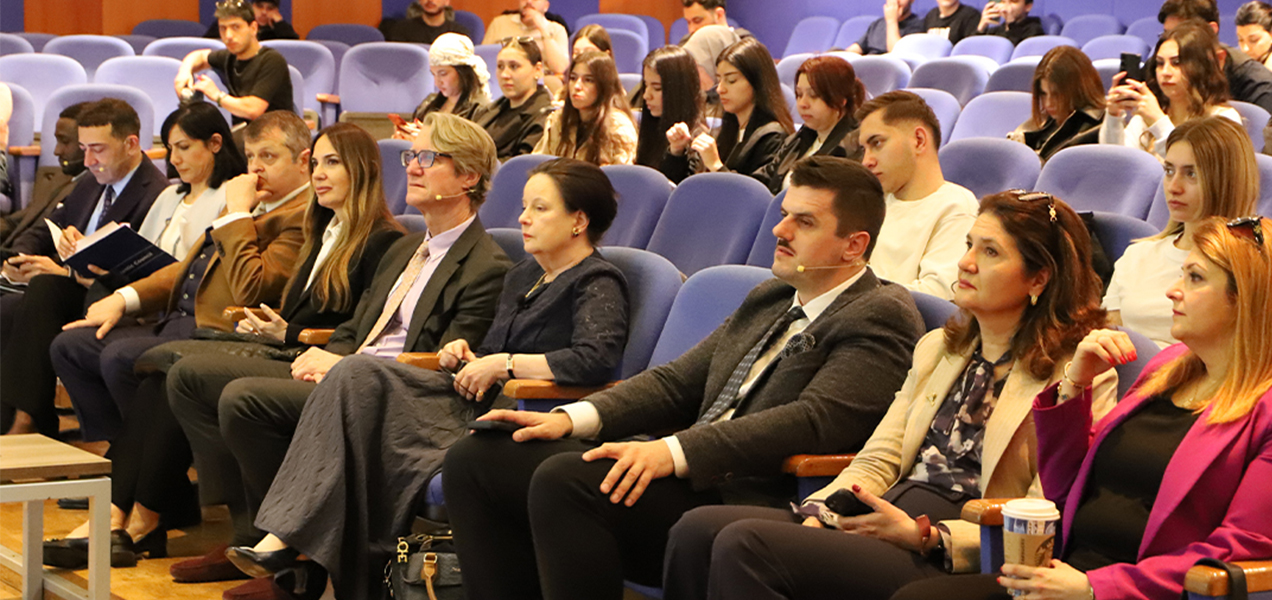
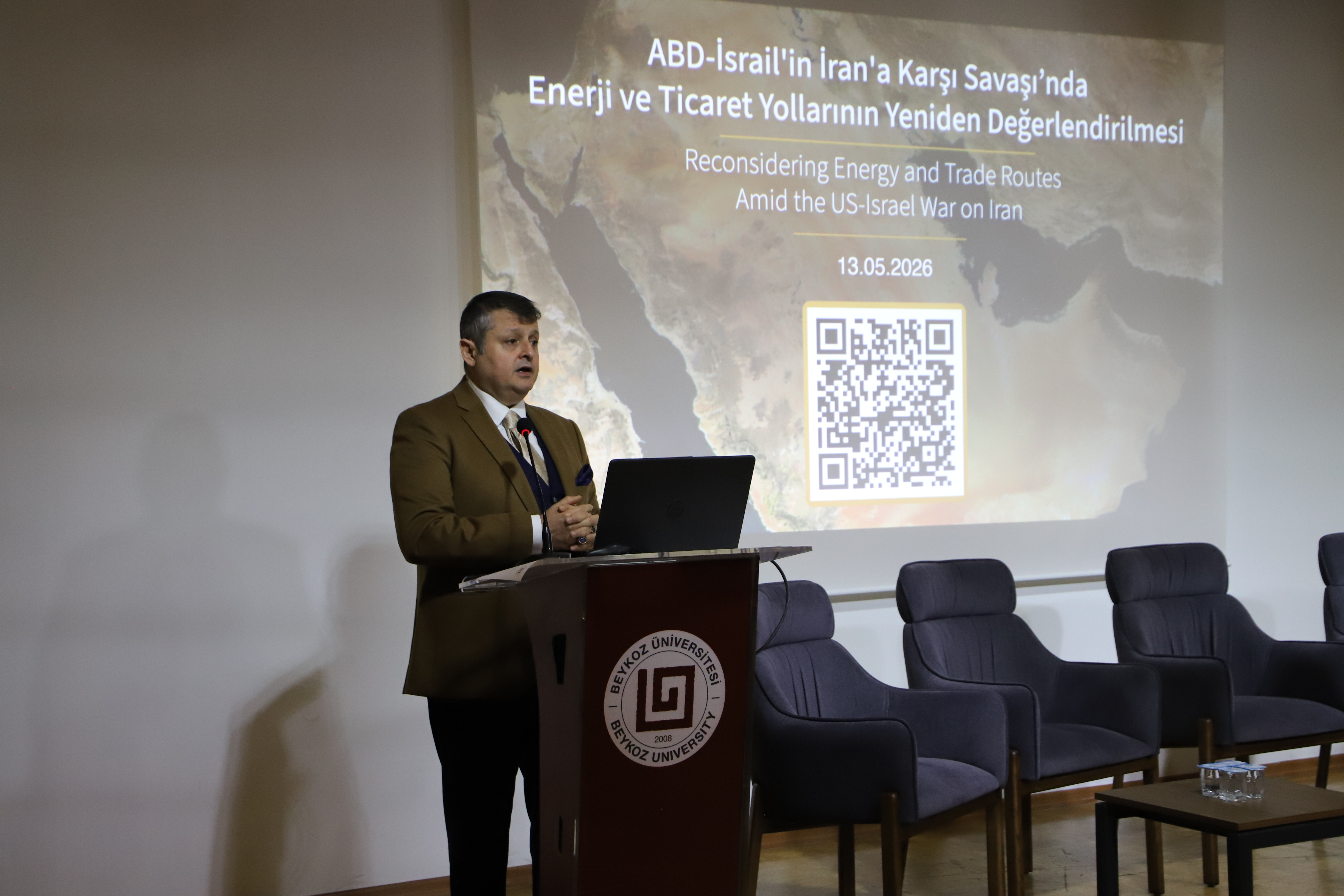
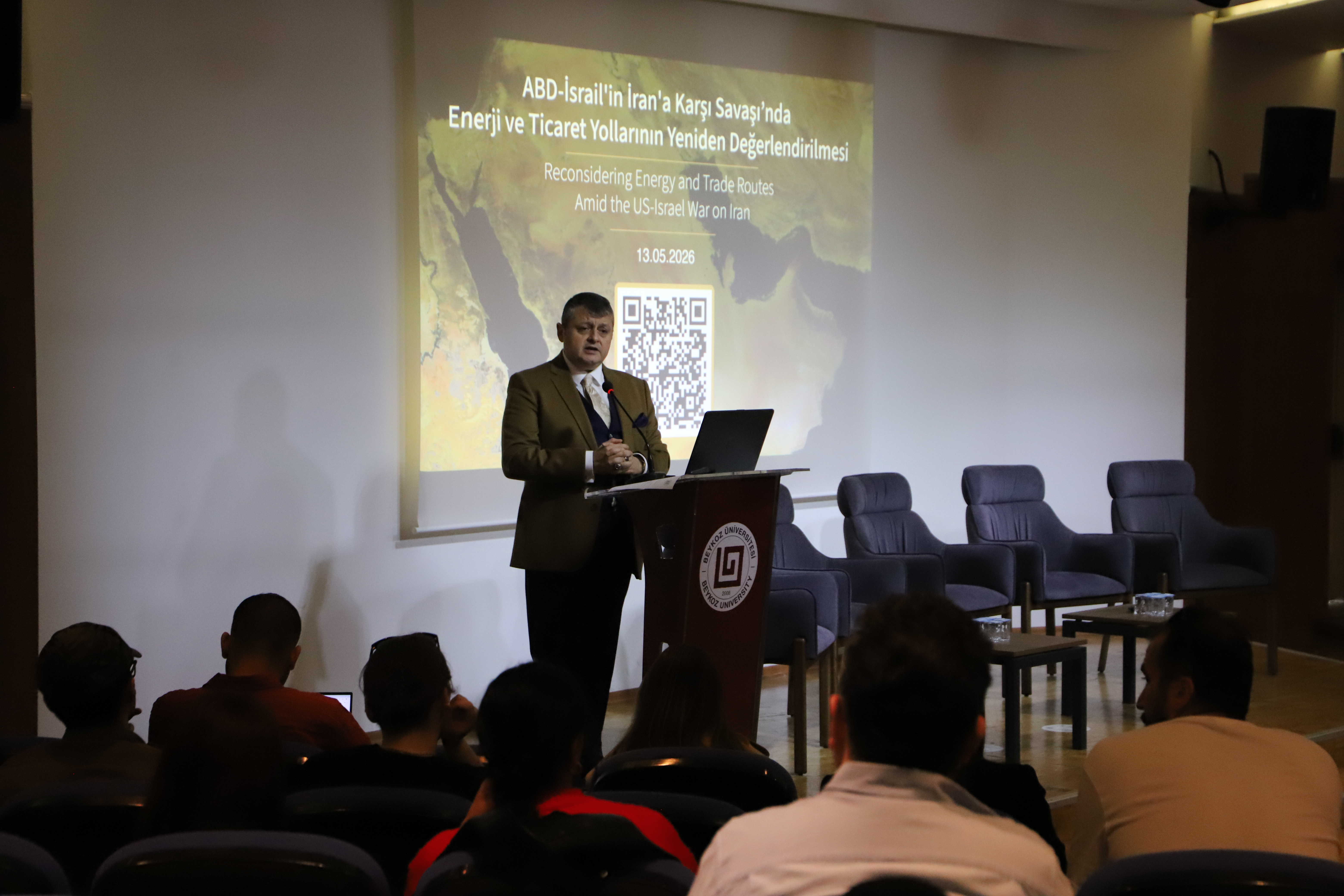
At the conference titled “Reconsidering Energy and Trade Routes Amid the US-Israel War on Iran,” organized by Beykoz University, the impacts of recent developments in the Middle East on energy security, supply chains, and alternative trade corridors were discussed. Bringing together international academics, experts, and industry representatives, the conference focused on how global crises are reshaping the economy, logistics, and international relations.
Delivering the opening remarks, Rector Prof. Dr. Burak Küntay stated that world politics is going through a new transformation period and emphasized that logistics and supply chains have become central elements of the international system.
Küntay said, “We are going through a very unusual period. We are witnessing a process in which many things we once took for granted are collapsing, and at times we struggle to understand and analyze ongoing developments. Although this period may be understood more clearly in the future, what we are experiencing today is of great significance for world politics and international relations.”
Energy Security and Alternative Corridors Discussed
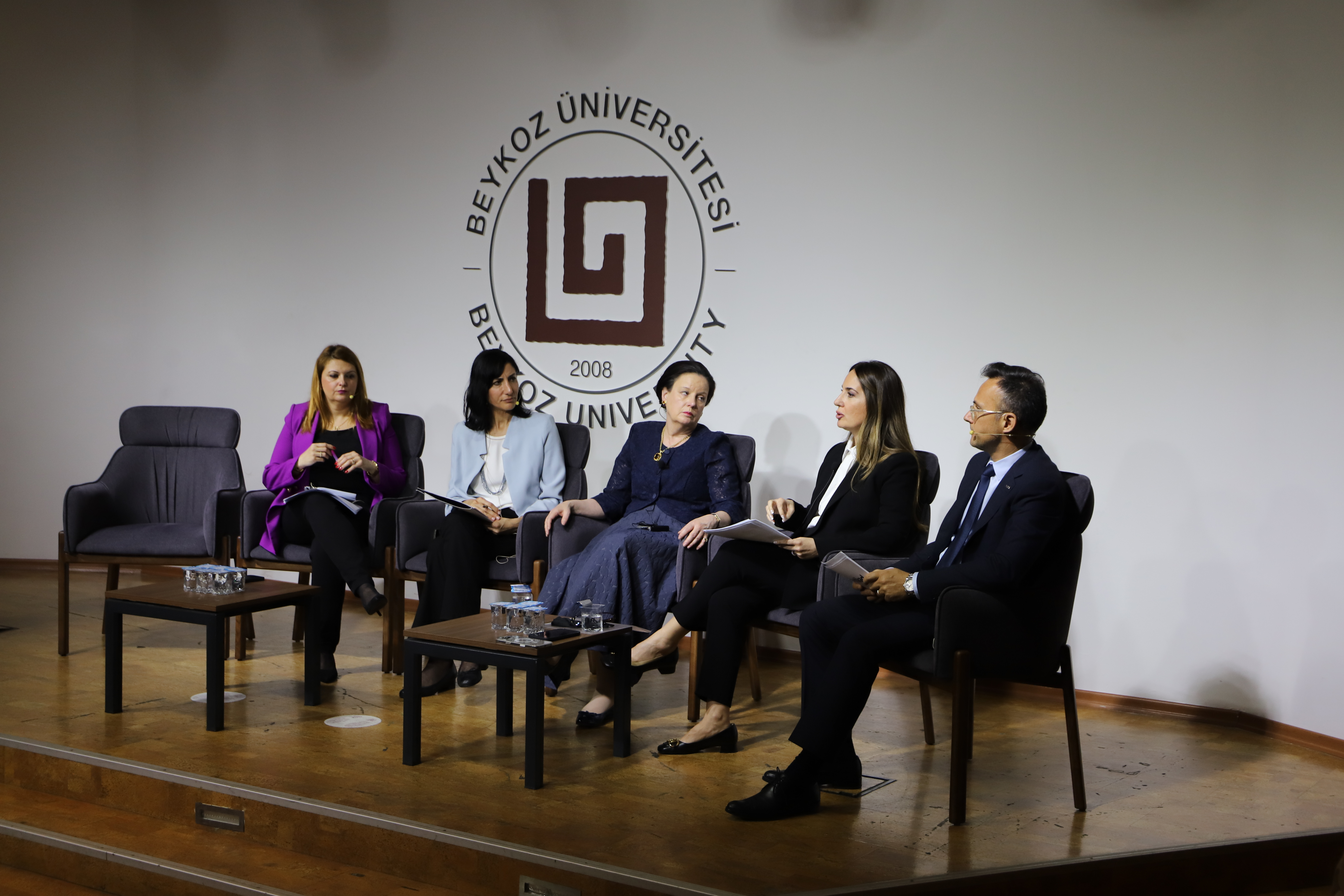
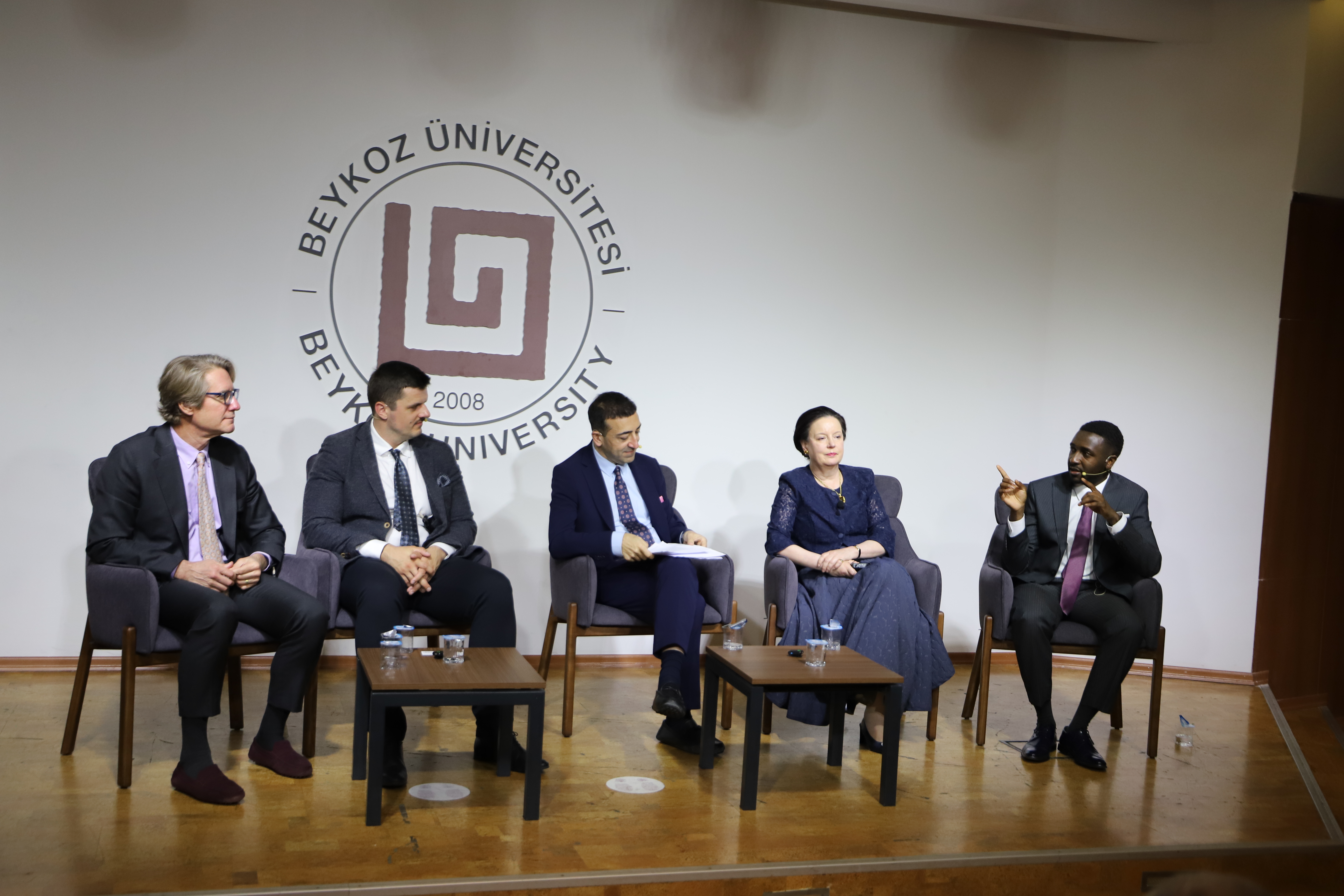
The first session of the conference focused on alternative energy routes within the framework of energy security. Moderated by Dr. Ali Çınar, the panel featured speakers including Matthew Bryza, Dr. Cornelia Meyer, Dr. Usman Aliyu Uba, and Maciej Filip Bukowski.
The panel addressed the effects of recent developments in the Middle East on energy supply security, Europe’s energy policies, alternative energy corridors, and vulnerabilities in global energy markets. Participants highlighted the importance of new international collaborations in ensuring energy security.
Supply Chain Security and New Trade Routes Evaluated
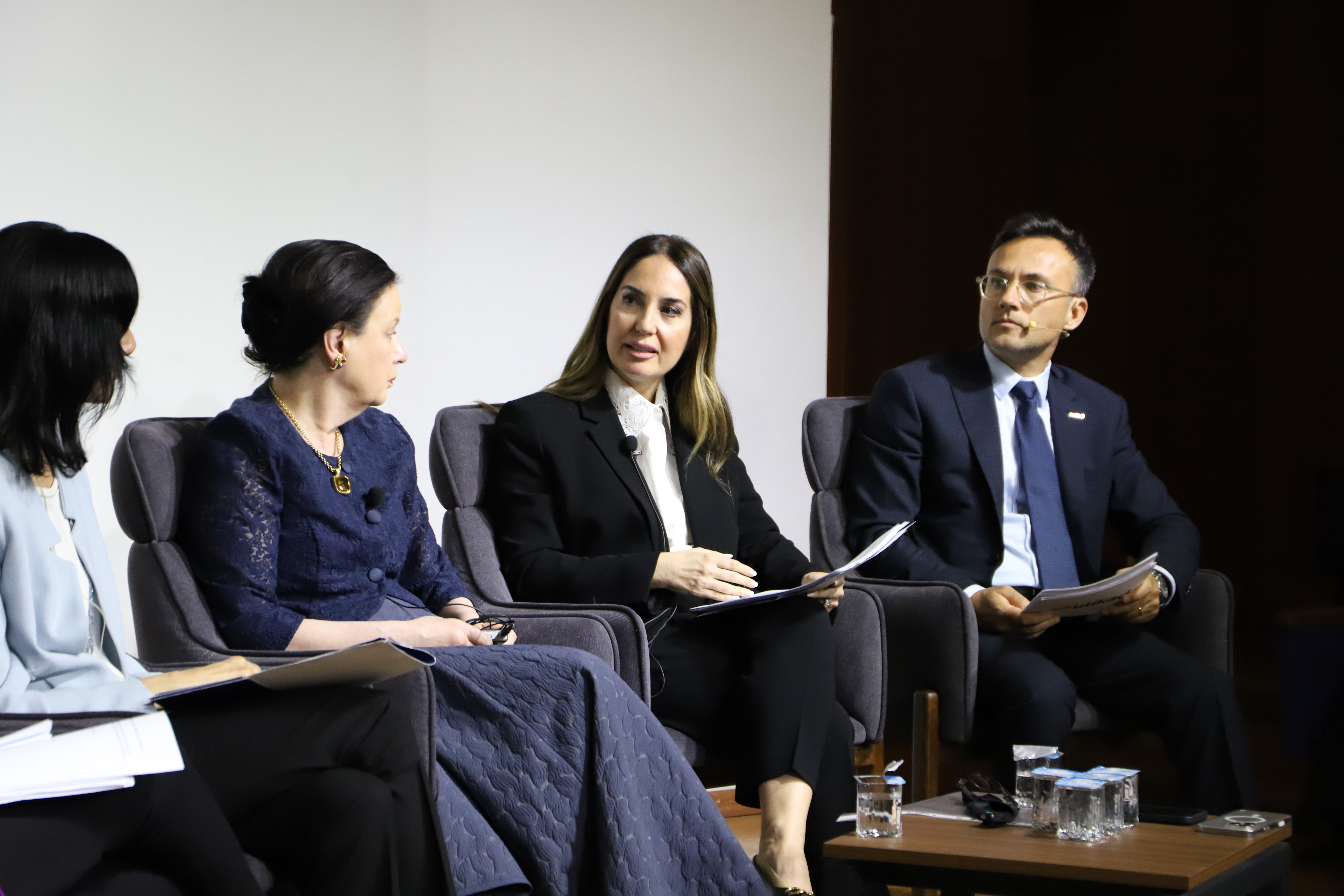
The second session focused on supply chain security and alternative trade routes. Moderated by Dr. Pınar Dost, the panel included Prof. Dr. Ezgi Uzel Aydınocak, Bilgehan Engin, Dr. Cornelia Meyer, and Prof. Dr. Aylin Ünver Noi.
Speakers underlined that global crises produce not only political but also economic and social consequences, while disruptions in logistics networks directly affect costs and living standards.
“Global Crises Directly Affect People’s Purchasing Power”
Rector Prof. Dr. Burak Küntay emphasized that wars and global competition now have direct consequences on daily life, stating:
“When developments such as the Russia-Ukraine war occur, one of the world’s most important production and supply centers comes to a halt, pushing the global economy into crisis. Food security risks and the threat of hunger emerge. Similarly, economic tensions and increasing tariffs between the United States and China raise costs worldwide. Wars and global competition are now directly reflected in people’s purchasing power through logistics.”
Küntay also stressed that Beykoz University is a logistics-oriented university and noted that the institution will continue to evaluate the impacts of global crises on the economy and supply chains from an academic perspective.
Türkiye’s Diplomatic and Strategic Role Highlighted
Speaking at the conference, Prof. Dr. Aylin Ünver Noi highlighted Türkiye’s role in energy security and supply chain crises.
Referring to Türkiye’s diplomatic initiatives during the Russia-Ukraine war, particularly regarding the grain corridor agreement and safe passage in the Black Sea, Noi stated that Türkiye could play a similar role in a potential Strait of Hormuz crisis.
She noted that possible disruptions in the Strait of Hormuz would not only affect energy supply but could also hinder the transportation of raw materials used in fertilizer production to global markets, potentially triggering future food crises worldwide.
Noi also emphasized that although Türkiye has an advantage in jet fuel production, it could still be affected by global price increases, underlining the growing importance of international coordination and strategic planning.
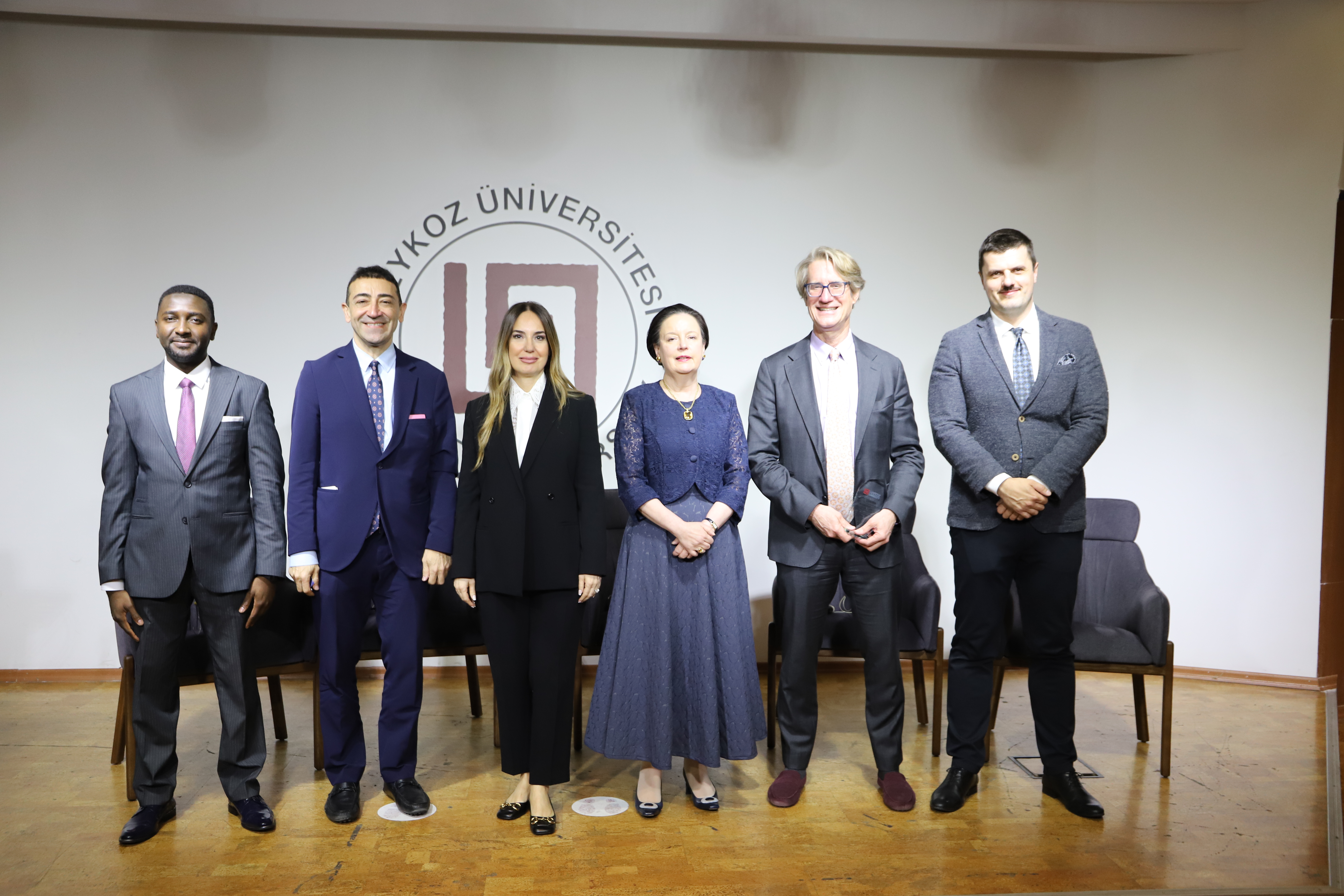
The conference, academically designed and coordinated under the leadership of Vice Rector Prof. Dr. Aylin Ünver Noi, once again demonstrated the importance of interdisciplinary dialogue and collective thinking at a time when global energy balances and supply chains are being reshaped.
We would like to thank all speakers and participants who contributed to this valuable gathering.

This content was updated on 20/05/2026.